In a large-scale construction project, what you see is only the photogenic part: cranes, concrete, structures rising as if the building were in a hurry to come into being. But behind all that lies a far less glamorous layer that underpins the project: the technical documentation. Without it, the project doesn’t move forward. And if it does move forward, it does so in a “let’s see what happens” mode, which is exactly the opposite of building well.
The project as the foundation of everything
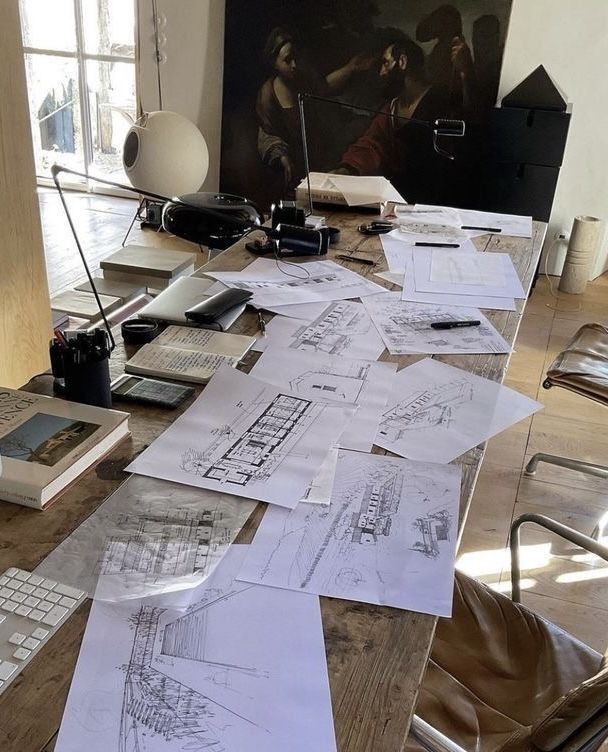
Before construction begins, there is a complete technical design. Not just a nice idea or a well-intentioned sketch, but a set of documents that define exactly what is going to be built.
It covers everything from the overall layout to structural systems and building services, including calculations, codes, and construction solutions. In other words: everything that prevents the building from being a haphazard vertical structure.
Licenses and permits: the slow but crucial part
No major construction project can begin without the necessary administrative approval.
Building permits not only validate the project’s intent but also ensure that it complies with regulations, land-use requirements, and safety standards. It is a process that may seem slow, but its purpose is simple: to prevent every building from being a different interpretation of what it means to “build well.”
Safety and Construction Planning
Construction isn't just about technical skills; it's also about organization.
The health and safety study outlines how the construction work is carried out safely, identifying risks and establishing preventive measures.
Added to this is the project planning, which coordinates schedules, teams, and phases of execution to prevent the project from becoming a chaotic jumble of last-minute decisions.
Technical supervision during implementation
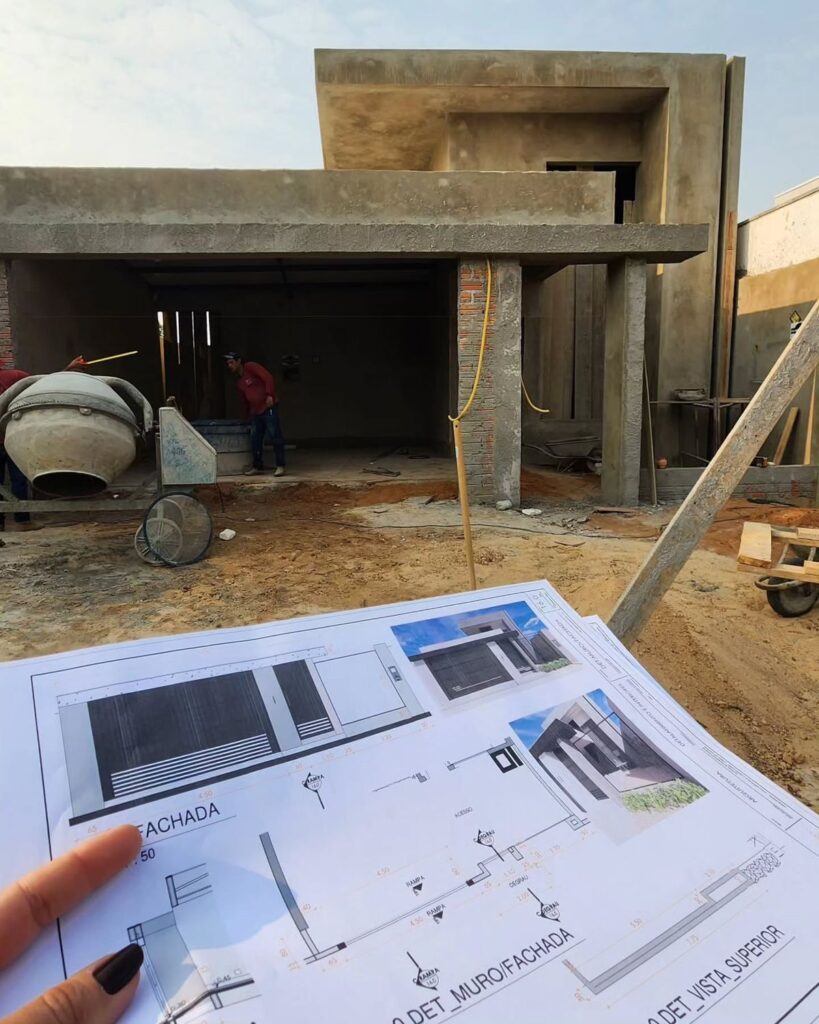
Once the project begins, the documentation doesn't disappear—it becomes a living tool.
The construction management team ensures that what is being built matches the plans, resolves issues, and approves each phase of the process. It is the point where theory and reality meet… and sometimes clash.
The conclusion of the project
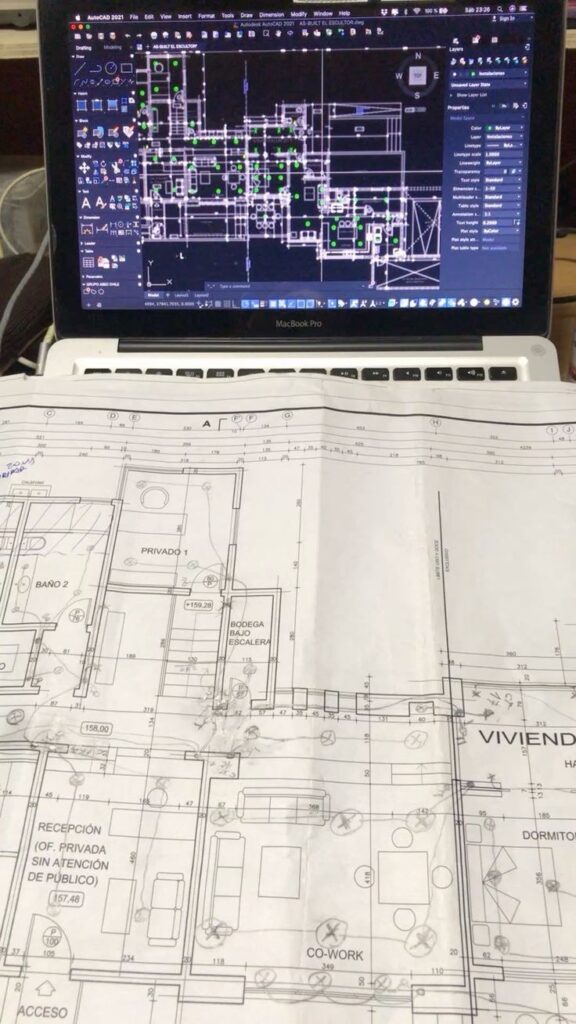
Once the work is complete, there is still one final important step: documenting what has actually been done.
The final building certificate and the “as-built” documentation document any modifications and ensure that the building can be legally occupied.
Without this, the work isn't really finished, even if it looks that way.