Old homes have something that modern spaces rarely manage to replicate: character
High ceilings, fine materials, unexpected natural light, and details that tell stories. The problem is that these often come hand in hand with outdated systems, impractical layouts, and structural issues that don’t become apparent until construction begins.
As a technical architect, I begin every renovation project by understanding how the space will be lived in. It’s not just about renovating a home; it’s about adapting it to today’s needs without losing what makes it special.
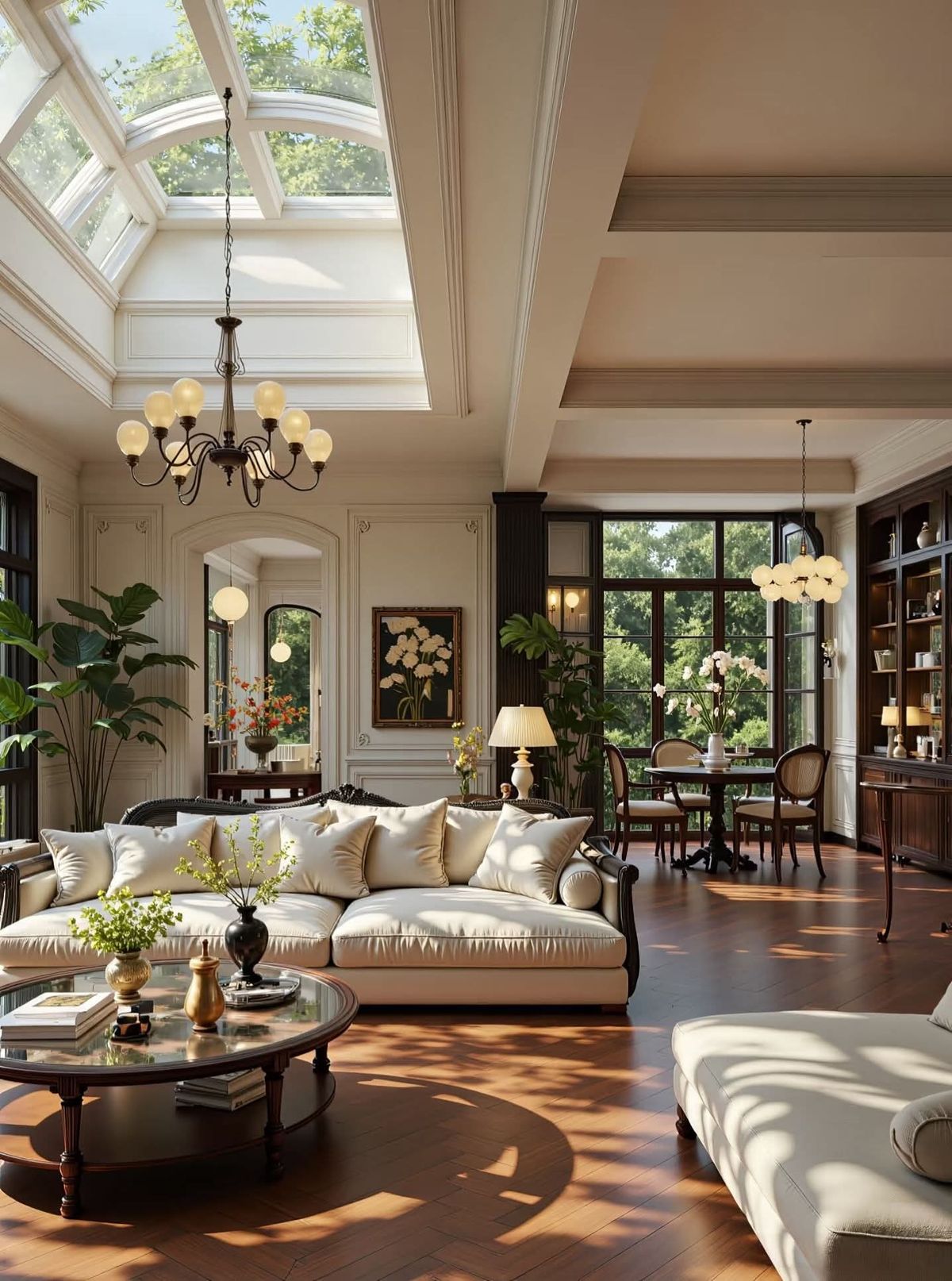
Before renovating: observe, analyze, and plan
One of the most common mistakes is to start a renovation project focusing solely on the aesthetic aspects. Choosing flooring, colors, or furniture is fine, but a successful renovation begins long before that:
- Structural condition of the home
- Electrical and Plumbing Systems
- Moisture and Insulation
- Light Distribution and Utilization
- Regulations and required licenses
Good planning prevents unexpected problems, optimizes the budget, and yields more consistent and lasting results.
More functional and bright spaces
Many older homes have very compartmentalized layouts. In numerous projects, opening up spaces and improving the flow between rooms completely transforms the feel of the home without the need for major structural changes. Natural light, ventilation, and interior circulation are key elements in creating comfortable, warm, and functional spaces.
Materials that preserve the original essence
Renovating does not mean erasing a home’s identity. In many cases, restoring original features such as exposed beams, woodwork, or terrazzo floors adds character and value to the project. Combining traditional materials with contemporary solutions allows for the creation of balanced, modern, and timeless spaces.
Every home needs a different solution
There is no one-size-fits-all approach to renovations. Every home, every structure, and every client requires a different approach. That is why the technical process and the support provided throughout the project are just as important as the final result.
A well-planned renovation doesn't just improve a space—it improves the way you experience it.