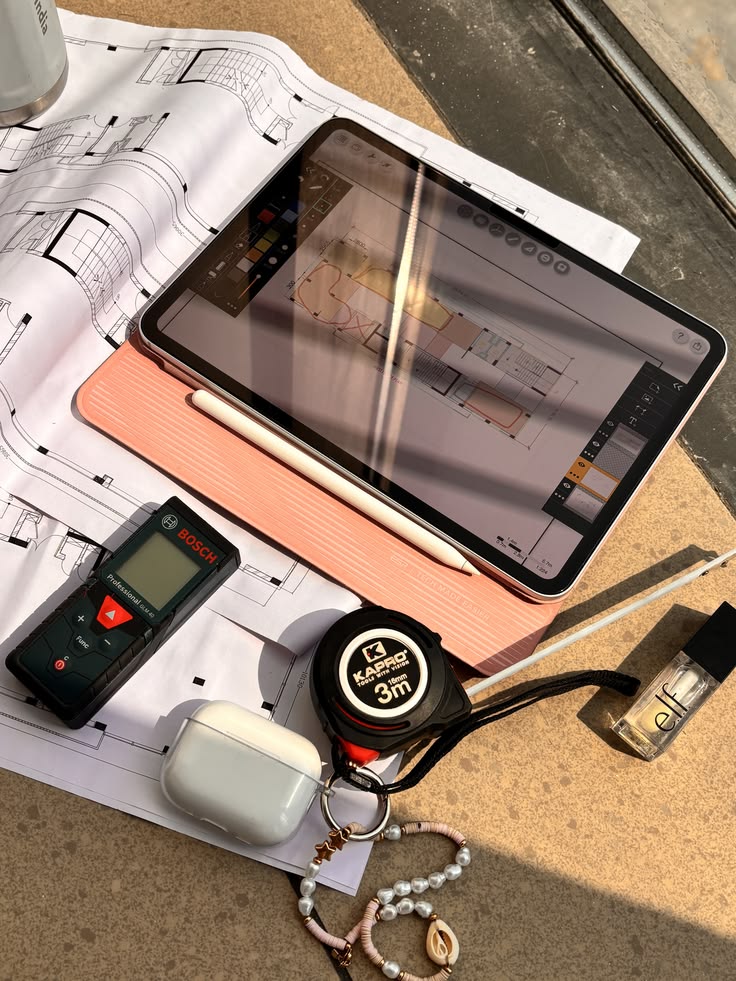
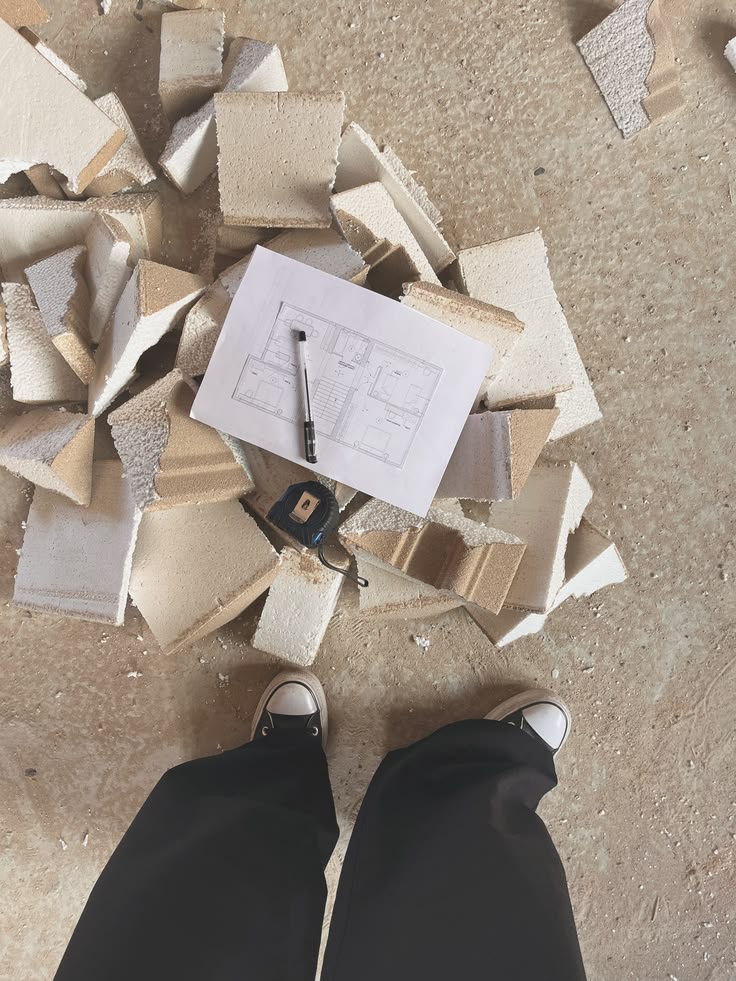
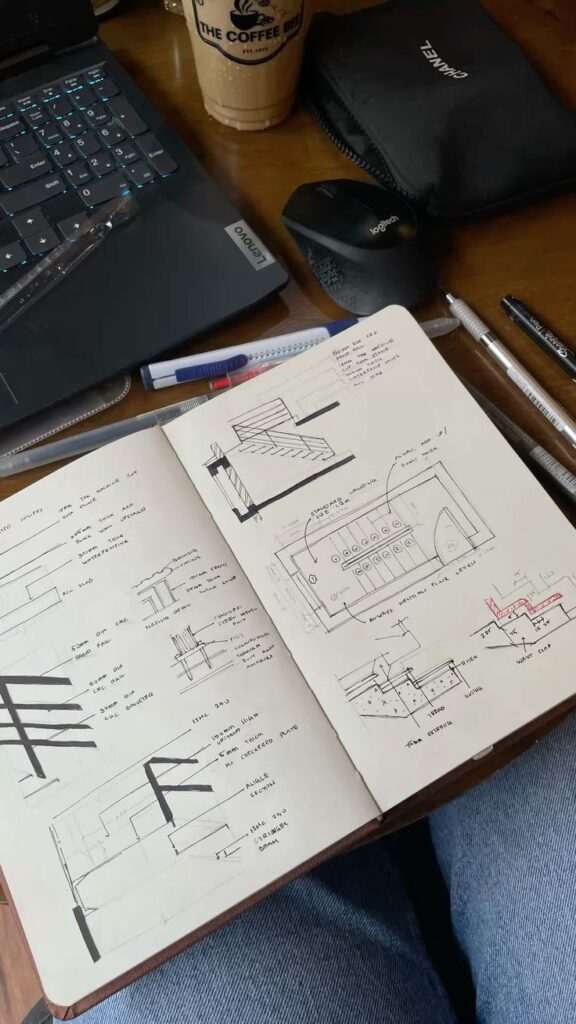
When people hear the term “technical architect,” they often automatically think of blueprints, construction sites, and people pointing at walls with worried expressions. And yes, part of the job does involve that. Because someone has to prevent the collective chaos of a construction site from turning into a traumatic experience for everyone involved—but the work of a technical architect goes far beyond that.
Organization, oversight, and coordination
The primary function is to ensure that a construction project is carried out properly from a technical, financial, and construction standpoint.
That means:
- Oversee the construction work
- Coordinate manufacturers and teams
- Monitor quality and materials
- Manage time and costs
- Resolve technical issues
- Verify compliance with regulations
In other words: making sure everything works smoothly and efficiently.
Anticipating problems
Much of the work involves identifying errors before they turn into real problems.
Poor planning, a design flaw, or an ill-considered decision made during construction can lead to significant delays and cost overruns. Technical supervision helps prevent many of these issues and ensures that sound decisions are made from the outset.
Communication between the client and the construction site
In any project, it is essential to have someone who can bridge the gap between all parties involved by translating needs, ideas, and solutions.
Technical architecture bridges the technical aspects of the project with the customer's actual experience, making the process clearer, more organized, and more secure.
Beyond construction
In addition to renovations and construction supervision, a technical architect can also provide the following services:
- Energy performance certificates
- Technical reports
- Tasaciones
- Legalizations
- Measurements and Estimates
- Building inspections
Behind every well-executed project, there is usually much more technical work than meets the eye. Like almost everything important in construction: if it’s done right, you hardly notice it. And honestly, that’s usually the best sign.